thanks for joining our pack!

Sustainable RV Living Isn't Black and White
Our Biggest Eco Contradictions
H
2/3/20264 min read
One of the biggest eco-dilemmas we've faced in preparing for our full-time RV life with a dog is the constant tug-of-war between conserving resources and lessening our impact on the environment. The main one is between saving water and reducing waste. It's the kind of contradiction that hits hard when you're boondocking in the desert or trying to stretch every drop in a remote national forest. You want to be a responsible camper—low-impact, mindful, leaving no trace—but the "green" choices often clash with each other, especially with the level of greenwashing!
In our travel trailer, we have a limited fresh water tank, about 20 gallons, and refilling means either driving to a dump station or finding a safe source. To conserve water, we were planning on using plastic utensils and paper plates for quick cleanups, snacks, and meals. No washing dishes or rags means no extra water used for rinsing, no gray water to manage, and less risk of contaminating nearby streams. It felt like a smart, low-water move—especially on hot days when we didn't want to run the pump or heat water.
But we started imagining the trash bags started filling up fast, and those trash bags filling up landfills. Every meal, every spill, every paw wipe after a muddy walk added to the pile. Paper products are single-use, so they create more waste — often non-recyclable if soiled — and contribute to the massive paper waste problem. Even "biodegradable" or "recycled" options take energy and resources to produce, and they still end up in landfills or incinerators if not composted properly. In remote camping spots, we couldn't always find recycling bins, so we decided to have separate trash, recycling and compostable goods bins to be hauled out later. Using typical paper products felt counterproductive: we saved water but increased our overall environmental footprint through waste. This way we had a better chance of recycling our products more efficiently.
This trade-off isn't unique to paper products—sustainability is a common contradiction in off-grid and RV living. These tensions can feel frustrating, like no choice is truly "perfect." But the good news is that there are practical solutions that help balance both sides
Reusable cloths with smart washing habits
Switch to reusable cotton or flannel cloths* (old T-shirts cut into squares, organic cotton towels, or Swedish dishcloths). These are absorbent, durable, and last for hundreds of uses. To minimize water, wash them in batches in a small basin with minimal water and air-dry in the sun. Studies show reusable cloths (especially cotton or microfiber) have a lower long-term impact than paper towels when reused many times—up to 8x less energy overall, even accounting for washing.
TIP: Keep a dedicated "wet bag" for dirty cloths to contain smells, and wash every 3-4 days.
Minimize single-use plastics and packaging
Shop bulk/refill stations when possible (bring reusable containers for grains, soaps...). Repackage groceries into reusable jars/bags. Use cloth bags, beeswax wraps instead of plastic film, and reusable silicone lids. Composting food scraps is easier than you think, and can help you make a smaller impact on your environment.
TIP: Bring a basket or produce net bag with you shopping and store immediately in there to reduce plastic bag use too!
Greywater management
Use biodegradable, eco-friendly soaps/shampoos (Dr. Bronner's…) so filtered greywater can sometimes be dispersed responsibly (check local rules—many boondocking areas allow it). Install a greywater diversion valve or simple filter system to reuse for plants/dust control.
Solar Panels vs. Gas Generator
We invested in solar to cut generator runtime. But the mining of lithium, cobalt, silicon, and rare earths for batteries and panels has serious environmental and human costs—displacement of communities, toxic runoff, and massive energy use in production. Upfront mining for batteries/panels is intensive, but it's a one-time cost amortized over decades. Generator fuel requires continuous extraction/refining (oil spills, habitat loss). Batteries add to mineral demand, but recycling rates are improving (90%+ recovery possible).
Gas generators produce noise, exhaust, and particulates—disruptive in campsites and harmful to air quality/health. Solar is silent and emission-free during use, preserving natural areas.
Panels last 25–30+ years; batteries 10–15+ years (longer with LiFePO4). Recycling infrastructure grows, reducing future mining needs. Generators create ongoing fuel waste/oil changes.
The mining costs are real but concentrated upfront and improving. Generator fuel creates perpetual emissions and pollution—solar + batteries provide cleaner, quieter power long-term, with a clear net positive for climate and local environments in trailer living. We feel using a solar power source is greener overall.
Camping Green with Fur Babies
Pet waste management → Use biodegradable poop bags (cornstarch-based) and pack out everything (Leave No Trace). For cats, switch to sustainable litter like walnut shells, wood pellets, or recycled paper—these compost better and produce less dust/waste than clay. A small covered litter box fits easily in trailers.
Food and treats → Buy in bulk and repackage into reusable containers to cut packaging trash. Opt for dehydrated or homemade treats to reduce canned/pouched waste.
Grooming and cleanup → Brush pets outside to keep hair from clogging drains/vacuums. Use reusable microfiber cloths or a cordless handheld vacuum (low-energy) for fur. Wash pet bedding with eco-soaps to avoid greywater pollution.
Overall mindset shift
Aim for progress rather than perfection. Track your water use and waste output, how much trash you accumulate and how much food waste you have for a month, then tweak one thing at a time. These contradictions remind us that sustainability isn't about flawless choices—it's about conscious trade-offs and continuous improvement. We save water where we can, minimize waste where we must, and enjoy the road knowing we're doing our best in an imperfect system.
What's a similar eco-dilemma you've run into on your adventures? Share in the comments—we're always swapping tips for lighter living!
Happy, balanced trails. 🌿
xoxo
H, D, M
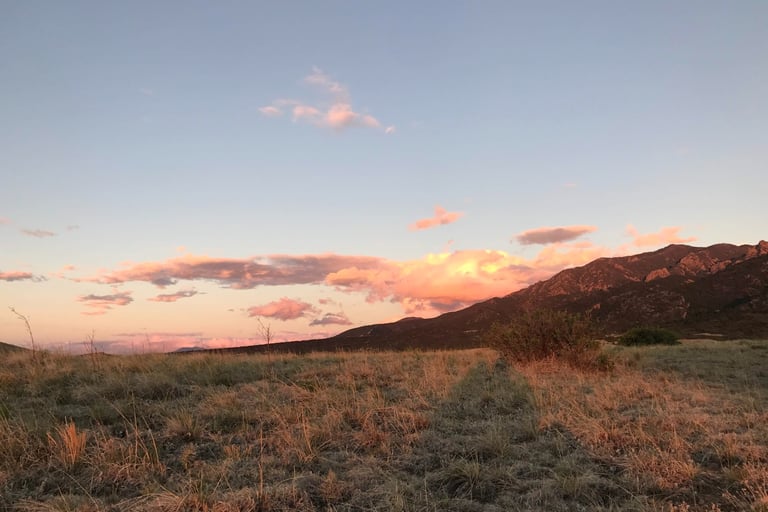
it's green, blue, and all colors of nature!
Contact
fur.mula4love@gmail.com
© 2025. All rights reserved.


Fur-mula For Love LLC