thanks for joining our pack!

Being a Green Pet Parent
Embracing Low-Impact Camping with Leave No Trace Principles with Pets
H, M
2/6/20265 min read
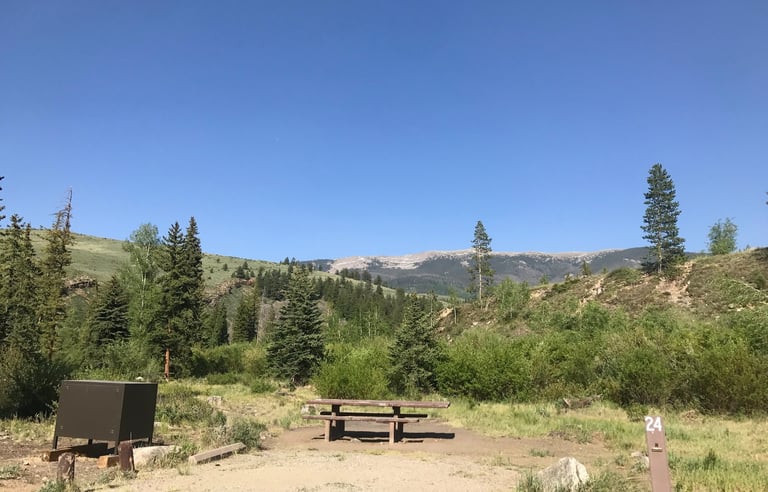
There’s something magical about hitting the open road in our camper, our dog curled up in the passenger seat or peering out the window at passing forests and mountains. We chase sunrises in national parks, boondock under starry skies, and let our furry co-pilot lead us down quiet trails. But as much as these adventures fill our hearts, they also come with a quiet responsibility: to leave every place we visit exactly as we found it—or better. That’s where the seven ‘Leave No Trace’ principles come in, and when you’re traveling with a pet, they take on extra meaning. Pet waste, curious paws, and the little extras we bring along can add up quickly, but with a few thoughtful habits, we can keep our impact light while still creating unforgettable memories.
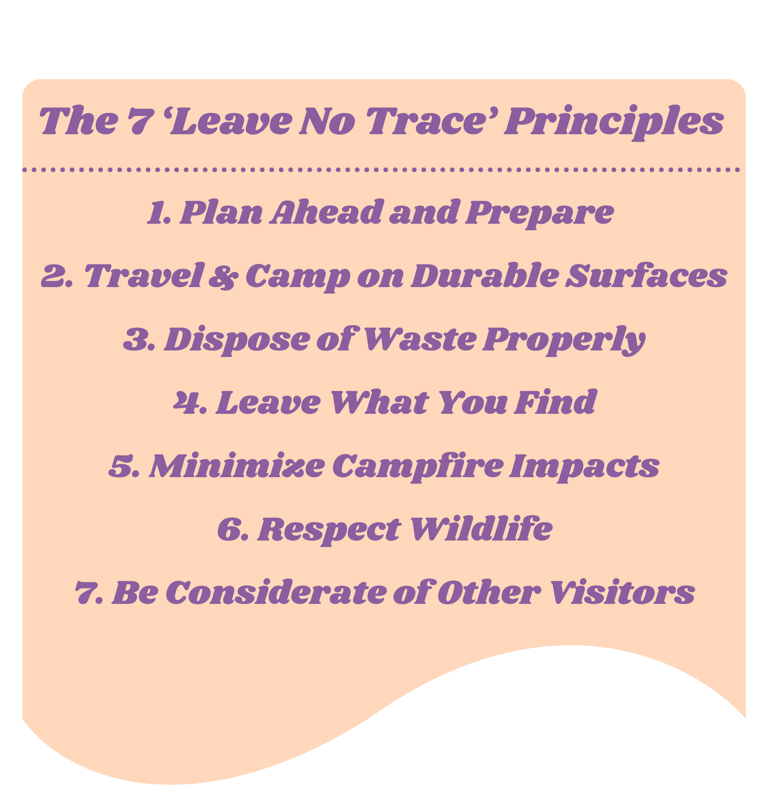
The 7 Leave No Trace Principles are core guidelines that apply to hiking, camping, backpacking, RV travel, day trips, and more—anywhere from remote wilderness to local parks, especially when traveling with pets!
Once we’re out there, the focus shifts to traveling and camping on durable surfaces.
We stick to established trails and hardened pull-outs for the trailer, walking single-file even when the path gets muddy so we don’t widen it or trample fragile plants. Our dog stays close on-leash, her paws following the same worn ground instead of veering into meadows or digging playful holes that could erode soil over time. At camp, we park on already-disturbed spots, and she has her designated outdoor mat or bed to lounge on—no sprawling across untouched grass. Some RV parks even have pet-specific sites that have a play yard, though those are usually on the pricier side, it’s worth a treat once in a while!
A big misconception: the proper disposal of waste.
Dog poop isn’t like wildlife scat; it carries bacteria that can pollute streams and harm ecosystems long after we’ve moved on. The rule is simple but non-negotiable: always pack it out. I carry a small, odor-proof container in the trailer then drop everything in a proper trash bin when we reach a campground or town. No burying it, no leaving it “naturally”—even in the backcountry, it doesn’t decompose fast enough to be harmless. For those moments when we’re truly off-grid, I’ve found reliable compostable bags that feel sturdy and tie securely, making the chore less dreaded. And of course, we never dump pet waste into the trailer’s tanks or leave it behind at sites; that’s just passing the problem to the next visitor. We also have a faux grass pad that we use in emergencies when we feel her going to the bathroom outside would be too much of a disturbance.
We also make a conscious effort to leave what we find untouched.
Whether it’s a perfect pinecone, a cluster of wildflowers, or an interesting rock, everything stays where it is. Our dog knows to look but not touch—we redirect her gently when curiosity strikes, ensuring she doesn’t disturb nests, chew live branches, or chase after small creatures. It’s the same spirit we bring to campfires: we use existing rings when fires are allowed, burn only downed local wood, and often skip them altogether in favor of solar lanterns or the trailer’s cozy lights to keep things low-impact and pet-safe (no curious noses too close to flames).
Respecting wildlife is another layer that keeps our adventures harmonious.
In wild places, pets can unintentionally stress animals—chasing deer, startling birds, or drawing predators closer—so we keep her leashed in all areas while truly boondocking, and never let her approach or feed wildlife. We store her food and our trash securely in bear-proof containers and inside the trailer to avoid attracting critters, and we give animals plenty of space, especially during mating seasons or when young are present. Watching elk graze at dawn from a respectful distance, binoculars in hand, feels far more rewarding than any close encounter.
Being considerate of other visitors ties it all together.
Not everyone shares our love for dogs—some folks have fears, allergies, or simply crave quiet—so we leash up around others, keep barking to a minimum (positive training and calming chews help on restless nights), and clean up promptly so trails and sites stay welcoming. In RV parks or busy campgrounds, we respect quiet hours and tidy our trailer spot diligently.
Beyond the core principles, little swaps make RV pet life greener overall.
We’ve switched to toys and beds made from recycled materials or organic fabrics (which will soon be available in our shop), use natural grooming products without harsh chemicals, and rely on our solar setup to run fans or a small AC unit off-grid—keeping her comfortable without noisy generators or extra fuel. Water conservation is routine too: short showers, reusable bowls, and careful gray-water management.
At the end of the day, being a green pet owner isn’t about rigid perfection—it’s about intention. Every bag we pack out, every trail we respect, every quiet moment we share in nature adds up to preserving these wild spaces for the next adventure, human or hound. Our dog has hiked more miles than most people dream of, and by following these guidelines, we’ve ensured the places we love stay pristine.
What’s one small change you’ve made to lighten your pet’s footprint on the road? Share in the comments—I’m always on the lookout for fresh ideas to try on our next trip.
Happy, mindful trails!
xoxo
H, D, M 🐕
It all starts with planning ahead and preparing thoughtfully.
Before we hook up the trailer and roll out, I always check the pet policies for our destination—some national parks welcome leashed dogs on certain trails but keep them out of others, while dispersed camping areas might offer more freedom as long as voice control is solid. Some parks don’t allow pets at all on the trails so keep that in mind too! I always keep my fur ball on a leash when I am boondocking, you never know what wildlife you will encounter.
Packing becomes an eco-conscious ritual too: collapsible silicone bowls that pack flat, a sturdy leash, and a stash of truly plant-based, compostable waste bags I’ve switched to ones made from materials like cornstarch or bamboo. Avoid the misleading “biodegradable” plastics that linger for years. We stock up on pet food with minimal packaging and I keep a small pet first-aid kit handy for those inevitable scrapes or upset tummies on remote routes. I will be writing another post on pet first aid and emergencies on the road.


Contact
fur.mula4love@gmail.com
© 2025. All rights reserved.


Fur-mula For Love LLC